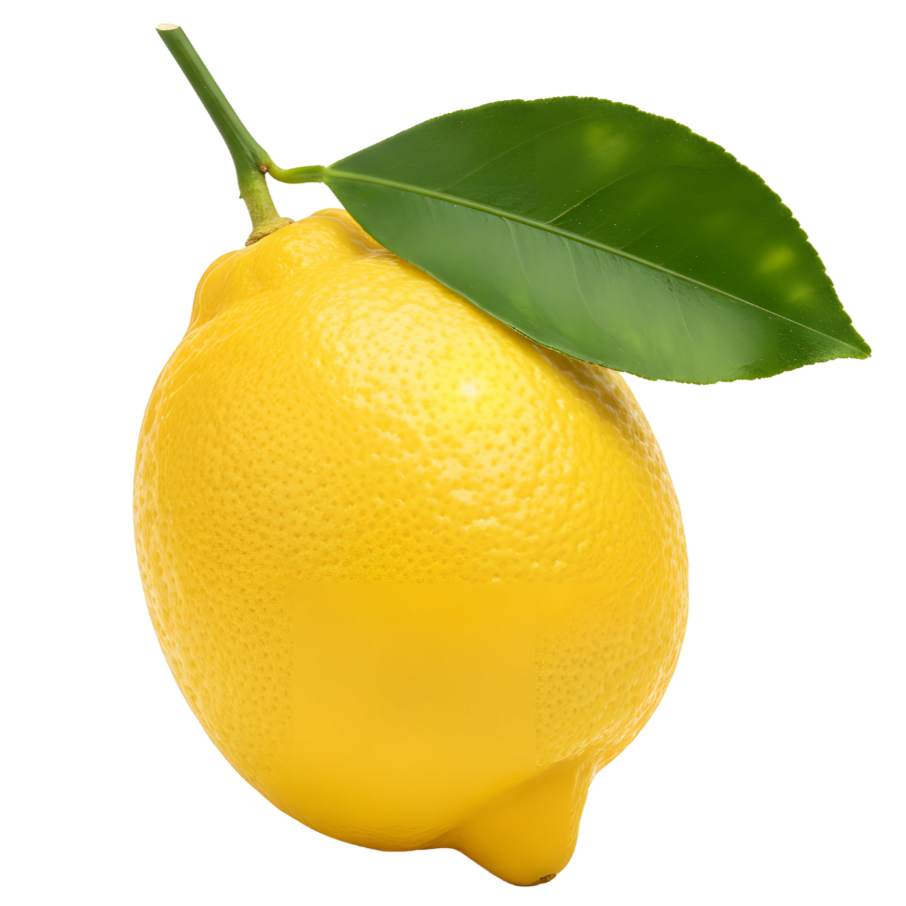
When Life Gives You Lemons
What does it mean to make it into lemonade?
Life gives all of us lemons.
Different shapes. Different sizes. Different levels of sour that make your face react before your brain catches up. No one gets through life without them.
The real question isn’t if lemons show up.
It’s what we do with the ones that land in our hands.
This week, we talked about the saying, “When life gives you lemons, make lemonade.”
It sounds simple.
It sounds cute.
But if you’ve ever held a real lemon, you know it stings.
Disappointment.
Setbacks.
Unexpected hardship.
The stuff we never chose, but still have to live through.
Where the Saying Comes From
The phrase traces back to Marshall Wilder in the early 1900s. Life handed him circumstances he never asked for, yet he found a way to bring people joy anyway. A writer described it like this: “He picked up the lemons fate sent him and started a lemonade stand.”
That line stuck because people recognized themselves in it.
They knew what it meant to take something bitter and try to make something livable out of it.
But here’s what we’re learning more clearly over time.
Lemons don’t magically sweeten themselves just because we repeat the right proverb.
They stay sour until something actually changes.
What We’ve Learned About
Handling Bitter Things
For us, this conversation didn’t start with lemons at all.
Joyce grew up cooking with bitter melon. If you’ve ever tasted it, you know the name is honest. It’s sharp. It lingers. But prepared well, bitter melon isn’t just tolerable, it’s genuinely good. Nourishing. You don’t pretend it isn’t bitter. You learn how to cook it. You learn what pairs with it. You learn the timing. And over time, what once made you wince becomes something you actually crave.
Joe’s relationship with durian is very different.
He doesn’t like it. At all. The smell alone is enough to keep him at a distance. But Joyce loves it. So once, Joe double-bagged a fresh durian and carried it across town to her. Not because he suddenly enjoyed it, but because love sometimes looks like learning how to handle something you don’t personally want, so someone else can enjoy it.
We joke about it, but there’s wisdom there.
Some bitter things in life can be transformed when you learn new ways to work with them.
Some don’t need to be transformed at all, just handled with care.
And some you carry for someone you love, even if they’re not your taste.
That’s what this conversation about lemons is really pointing to.
Not pretending bitterness isn’t real.
Not rushing sweetness.
But learning how to respond wisely to what life hands you.
What Making Lemonade Actually Means
The heart of our conversation wasn’t food. It was this.
Lemons show up in our lives in ways we cannot control.
But making lemonade is a choice we’re invited to make.
And that choice doesn’t look the same in every situation.
If the lemon is abuse, making lemonade means leaving. Getting safe. Getting help.
If the lemon is a long stretch of disappointment, making lemonade might mean refusing to give up when everything feels heavy.
If the lemon is someone else’s bitterness toward you, making lemonade might look like responding with gentleness, adding sweetness to a moment that wants to sour everything.
Joe remembers someone once telling him, “The first step in a fight is realizing you’re in one.”
When life hands us lemons, there’s power in naming the moment. Not denial. Not pretending. Just clarity. And clarity helps us choose our next step.
When Sweetness Changes the Moment
Joyce often talks about perspective and how gratitude can soften things.
You can walk into a room and find everything that’s wrong within seconds. Or you can look for what’s good. That choice doesn’t erase the sour, but it does change how much space it takes up.
We also talked about the film Gangubai Kathiawadi. Her story shows what it looks like to take the worst lemons life can hand someone and use them to advocate for others. It wasn’t easy. But she refused to let bitterness have the final say.
The Invitation
Every one of us has our own pile of lemons.
Some show up unannounced.
Some show up loud.
Most stay longer than we want or can control.
But this is what we choose to believe.
When life hands you lemons, you still get to choose what comes next.
Not by pretending they taste sweet.
But by deciding what you’ll make of them.
Don’t give up.
Keep going.
Lemonade is possible, even here.
Talk About It
Questions for a shared meal, a walk, or a quiet moment with someone you trust.
What lemon in your life has been hardest to face?
What does “making lemonade” look like for you right now?
Where might making lemonade mean setting a boundary or asking for help?
Think About It
Prompts for reflection or journaling.
Where are you trying to pretend something sour is sweet?
What kind of support could help you handle what you’re carrying?
What small shift could bring clarity or gentleness into a hard place?
Affirmation
From us: You are allowed to name what’s sour without giving up on what’s possible.
Repeat: I can face what’s hard and still choose what comes next.
Want to Go Deeper?
We talk more about this idea in our episode “When Life Gives You Lemons.”
You can find it on YouTube or wherever you listen to podcasts.